Paralives School Complete Guide
June 30, 2026
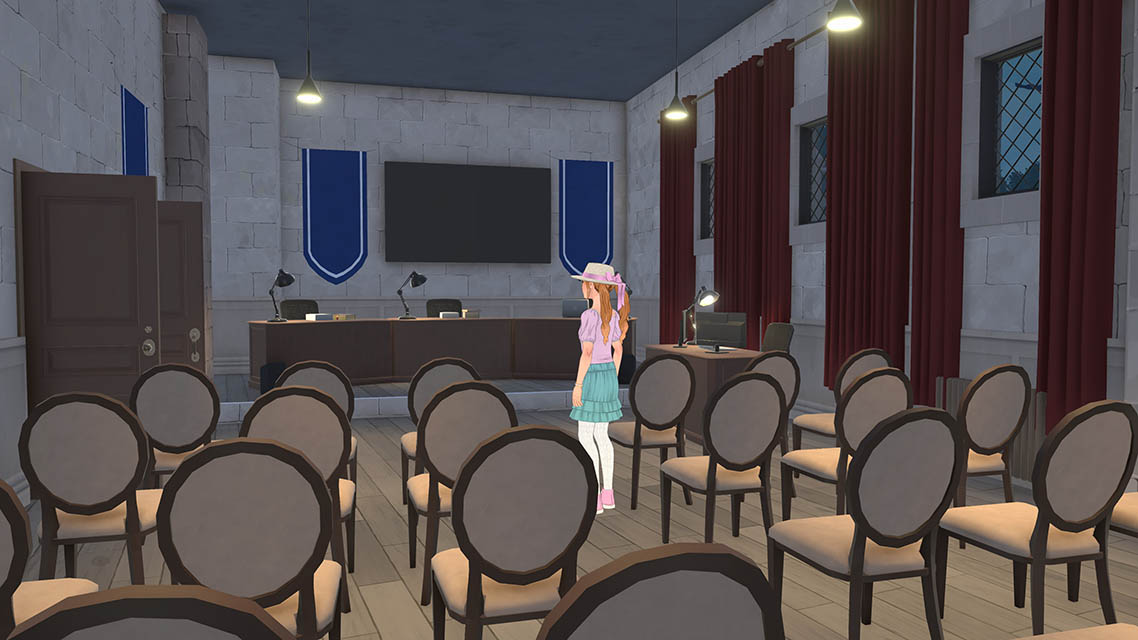
In Melino, school is an essential part of life for child and teen Parafolk. This guide covers everything you need to know – from school hours and subjects to grades, homework, and what happens if your Para falls behind.
1. School Overview
Melino has two schools, both of which are rabbit‑hole lots. That means Parafolk “enter” the building at class time, carry out their studies off‑screen, and reappear when school ends. You cannot go inside to watch them.
The two schools are:
- Elementary School – at coordinates (122, 75), floor area 236.8 m², with 109 placed items and 36 wall segments
- High School – functions the same way but serves Teen Parafolk, with different career paths and perk lists
Both schools are town‑owned – you cannot buy or build new ones.
2. Who Goes to School
Different life stages attend different schools:
- Children (ages 5–8) and Pre‑Teens (ages 9–12) – attend Elementary School
- Teens (ages 13–17) – attend High School
- Babies (ages 0–1) and Toddlers (ages 2–4) – stay home; if left unsupervised, they are sent to daycare
School attendance is automatic – your Para goes to school on time without any manual input.
3. School Hours & Subjects
Elementary School
- Hours: Monday to Friday, 09:00 – 14:00 (5 hours)
- Core subjects (6): Science, Parli, Physical Education, Art, Music, Math
High School
- Hours: Monday to Friday, 09:00 – 15:00 (6 hours)
- Core subjects (5): Parli, Physical Education, Math, Biology, History and Geography
- Elective subjects (6): Physics and Chemistry, Tech Lab, Economics, Art, Dance, Music
High school students attend one extra hour per day and have a wider range of subject choices.
4. Grading System
Six‑Tier Letter Grades
Each subject uses a six‑tier letter grade, from lowest to highest:
F → E → D → C → B → A
- New students start at C in every subject.
- Completing homework raises the grade for that subject.
- Missing homework or skipping class lowers the grade.
How to Improve Grades
To raise a grade, your Para needs to:
- Complete assigned homework – this is the main way to improve.
- Go to school with full needs – make sure Hunger, Energy, Hygiene, and other needs are met before leaving.
- Avoid negative moods – bad moods affect in‑school performance.
- Arrive on time – don’t be late.
- Stay engaged throughout the day – good behaviour matters.
5. Homework System
Getting Homework
- Every school day, students have a 100% chance of receiving homework.
- Each assignment must be completed within 3 in‑game days, or it expires.
How to Do Homework
- Wait for your Para to return home after school.
- Click on any available Computer in the house.
- Select the “Do Homework” interaction.
- Your Para will automatically start working on it.
💡 Tip: This interaction also fulfils the “School Homework” type of wants.
Student Perks Related to Homework
Students earn perk points while at school, which can be spent on upgrades. These three homework‑related perks each give a +30% boost:
- More Frequent Homework – +30% chance of receiving homework
- More Homework per Day – +30% chance of receiving a second homework assignment
- Time Optimizer – +30% chance of completing homework during school hours
These perks stack, so you can combine them for maximum efficiency.
6. Consequences of Poor Grades
Bad grades are not just cosmetic – there are real penalties.
First Warning
If two subjects drop to F, you will receive a School Warning letter from Social Services.
The letter reads something like this:
“School warning letter regarding your child. Social Services is writing to inform you that your child has had problems at school and their grades have started to slip. As you know, school is very important. Please correct this situation as soon as possible. If the child receives another F, we will have to intervene. Thank you.”
Final Consequence
If, after receiving the warning letter, the child gets one more F – a third failing subject – Social Services will remove the child from the household.
⚠️ Important: If you want your child to stay, keep a close eye on their grades. Do not let any subject drop to F, especially after you’ve received the warning.
Related Life Goal
There is a Life Goal tied to grades:
- “Have at least one child with an average grade of B or higher.”
7. Frequently Asked Questions
- At what age do Parafolk start school? Children (5–8) and Pre‑Teens (9–12) go to Elementary School; Teens (13–17) go to High School. Babies and Toddlers stay home.
- How are grades calculated? Each subject uses the F–A scale. New students start at C. Doing homework raises a grade; missing it lowers it.
- How does homework work? Homework is assigned every school day and expires after 3 days. Perks can increase frequency or efficiency.
- What happens with bad grades? Two Fs trigger a Social Services warning. One more F after that removes the child.
8. Quick Tips
- Check for homework daily – after school, check the computer to see if new assignments are waiting.
- Keep needs high before school – a well‑fed, well‑rested, happy Para performs better.
- Prioritise homework perks – spend student perk points on Time Optimizer and More Frequent Homework first.
- Watch for Fs – as soon as any subject approaches F, focus on completing its homework to raise it.
- Don’t skip school – attendance is automatic, but if you manually cancel it, grades will suffer.
- Keep an eye on Life Goals – if you’re aiming for the “average B or higher” goal, plan homework and study time accordingly.
Final Word
Melino’s school system may be a rabbit‑hole, but the academic mechanics are rich. From the six‑tier grading and homework system to student perks and serious consequences for failure – every choice matters for your child’s future. Keep on top of their studies, and watch them thrive in Melino!
Good luck with school!